Conference
Conference announcement
Join us at the BioProcessing Network 2026 Conference
15th-17th September
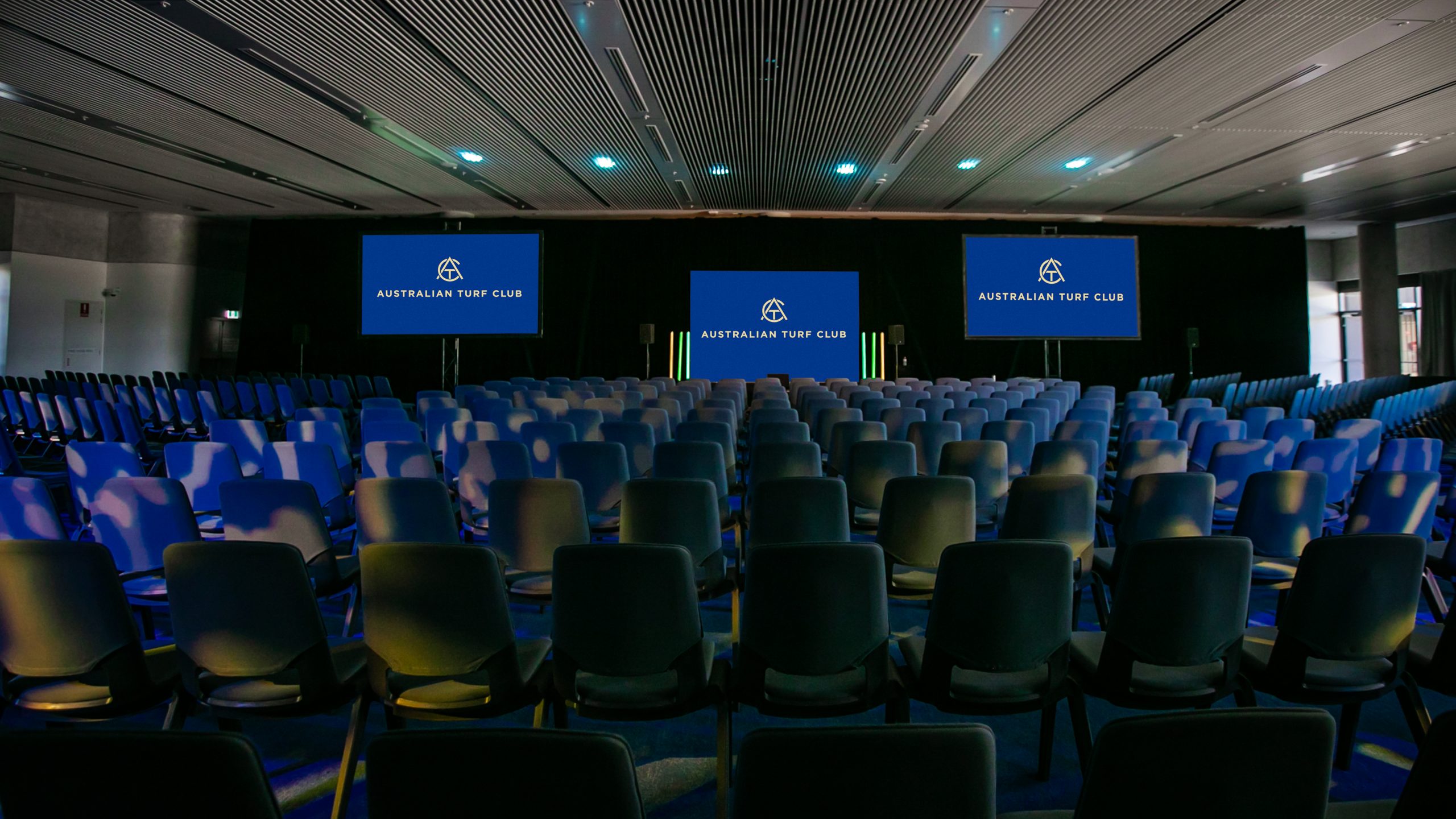
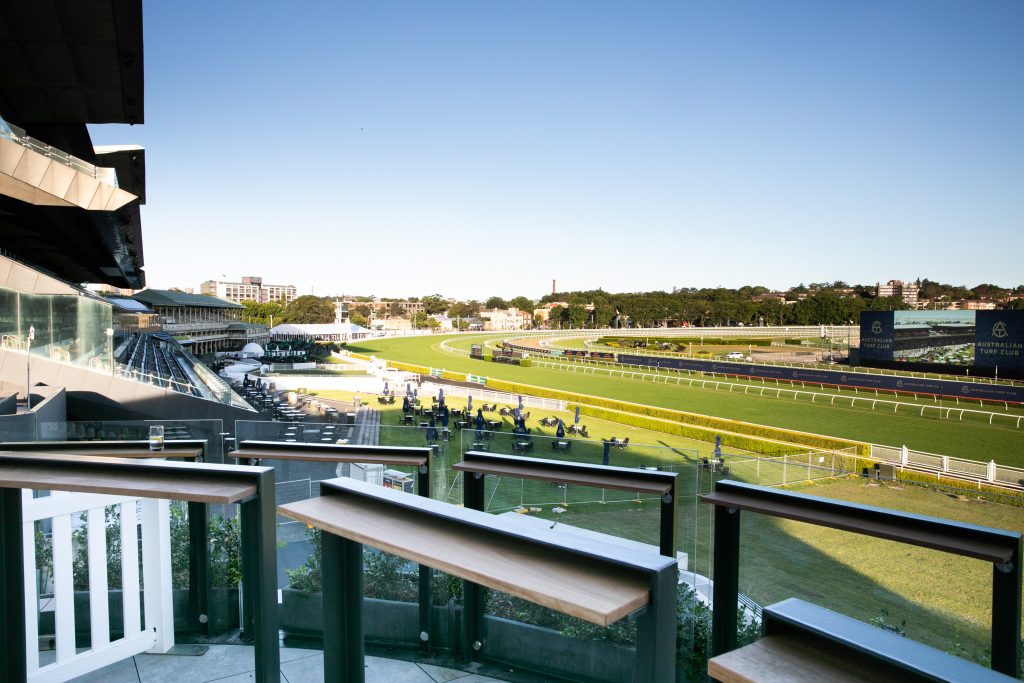
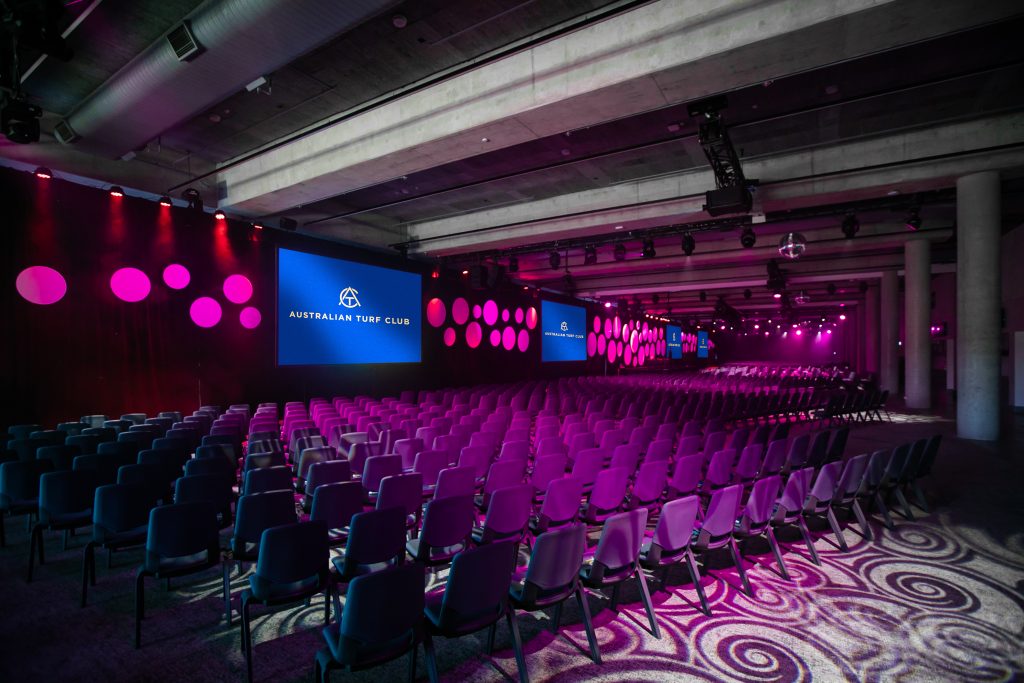
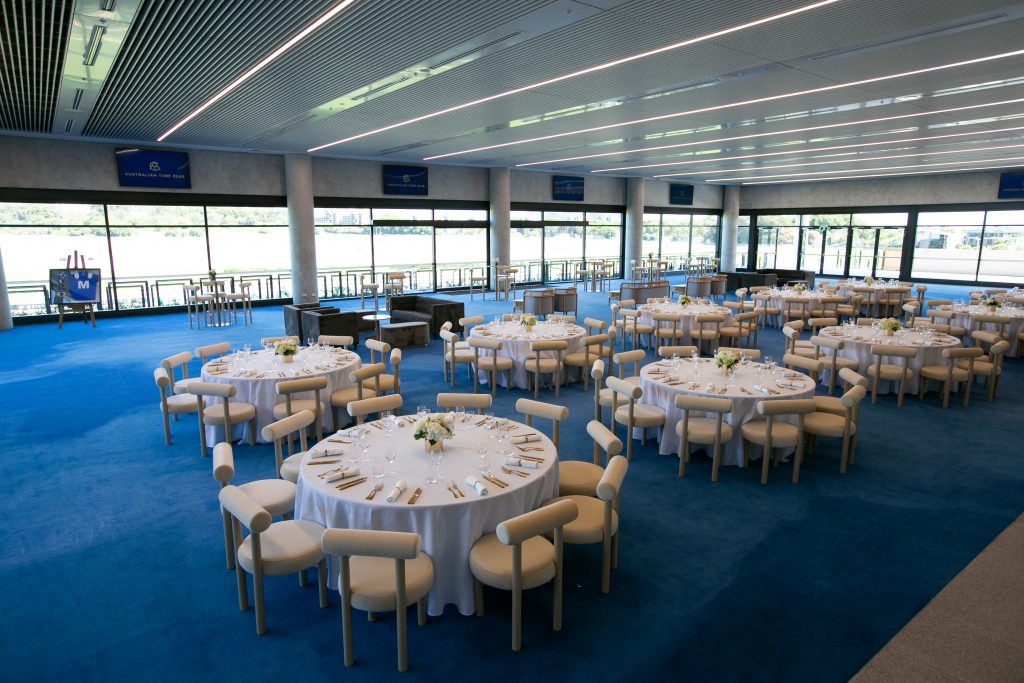
Royal Randwick Racecourse - Australian Turf Club
Alison Rd, Randwick NSW 2031
Sydney, Australia

Winx Galleries
(Level 1, Winx Stand)
Program
Conference, dinner and tours registrations can be booked
To avoid missing out on BioProcessing Network updates, become a member of the Bioprocessing Network (Membership is free)
Post conference tours
(for conference attendees only)
The tours will take place on Friday, 18 September, with four consecutive stops:
- Recombinant Products Facility (UNSW)
- RNA Institute (UNSW)
- Biologics Innovation Facility (UTS)
- Vow
More details to be published on this page soon
Pre-conference workshop at the UTS BIF
(8 slots available only- conference attendees only)
Conference and dinner registration fees and dates
| Registration type | Super Early Bird (5th July) | Early Bird (21st Aug) | Full price |
| General Registration | 500 | 525 | 620 |
| Student Registration | 350 | 375 | 400 |
| Dinner Registration | 150 | 160 | 175 |
| Student Dinner Registration | 95 | 105 | 115 |
Conference registrations are now Open
The conference registration fee covers all conference materials, coffee breaks, lunches and attendance to the Welcome Mixer held on the first day of the conference at the conference venue (15th of September). The dinner fee covers a 3-course menu and drinks.
The Networking Dinner will be held on Wednesday, 16th September at the InterContinental (Sydney Coogee Beach) from 6:30 pm to 11 pm. Transportation to the dinner venue will be provided.
Keynote Speakers
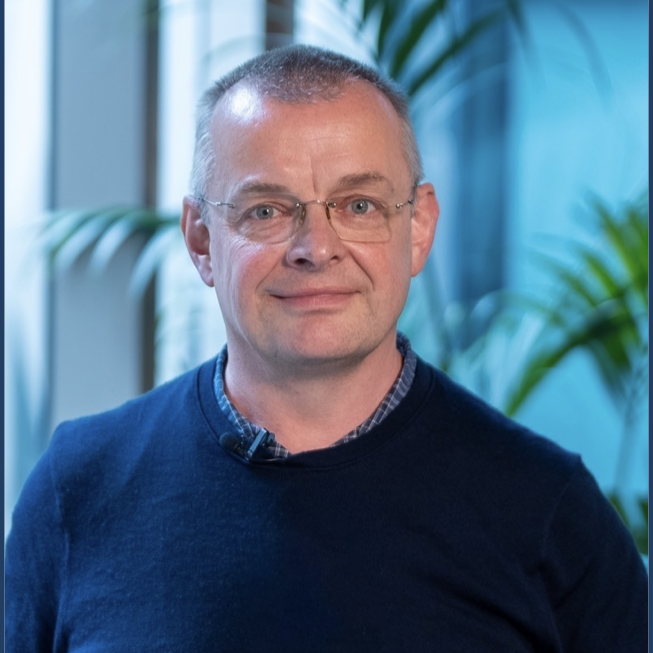
Prof. Michael Stumpf
Prof. University of Melbourne
CSO at Cell Bauhaus
From sequence to digital twin: closing the prediction gap in precision fermentation
Precision fermentation is approaching an inflection point. Demand is growing, biofoundry infrastructure is reaching impressive scales, and strain engineering is taking centre stage across the sector. Nevertheless there is a persistent prediction gap: organisms optimised in shake flasks routinely underperform in production-scale fermenters, and the gap is discovered empirically rather than anticipated computationally. Bioengineering is arguably unique among the engineering disciplines in not having a robust set of in silico tools for the design and computational analysis prior to building.
I will argue that this (i) has been detrimental to parts of the industry, and (ii) is poised to change with the availability of digital twin technology for strain design and scale-up. I will illustrate this with examples where mechanistic and hybrid (mechanistic modelling + AI) approaches are speeding up strain design by orders of magnitude and I will map out where the current limitations are and how we will be able to overcome them.
Biography:
Michael Stumpf is Professor for Theoretical Systems Biology and an ARC Laureate Fellow at the University of Melbourne.
Michael studied physics and mathematics at the Universities of Tübingen and Göttingen, and he completed his DPhil in Statistical Physics at Oxford in 1999.
After this he moved into biology with the support of Fellowships from the Wellcome Trust at Oxford and then UCL. From 2003 until 2018 he was Professor for Theoretical Systems Biology at Imperial College London, where he developed and directed research and research training programmes in computational, systems and synthetic biology. His fundamental research is focused on cell-fate decision making processes and the development of new computational, mathematical, and statistical approaches to investigate and control cellular processes. Michael has an outstanding track record in developing diverse and multidisciplinary research teams.
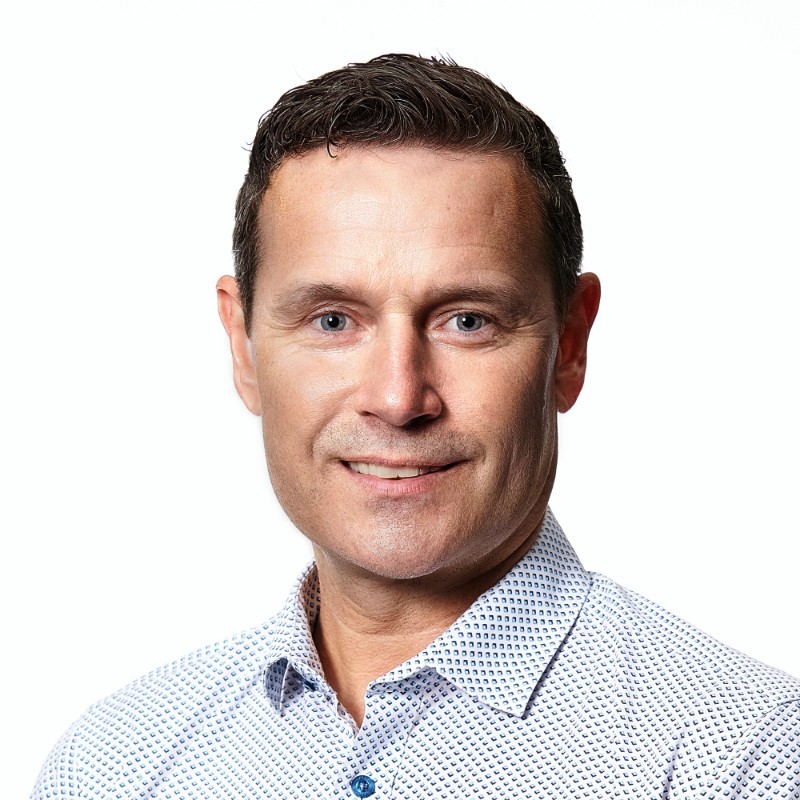
Chris Peck
Managing Director & Co-Founder,
Southern RNA Pty Ltd
Pioneering Personalised Medicine in Australia
The emergence of mRNA technology has transformed the possibilities for precision medicine, enabling therapies to be designed and manufactured for individual patients rather than broad populations. While the underlying science has advanced rapidly, the key challenge now is translation: converting scientific breakthroughs into clinically accessible treatments quickly, affordably, and at scale.
Using personalised cancer vaccines as a case study, including emerging initiatives such as paediatric brain cancer immunotherapy trials, the presentation highlights the end-to-end pathway from tumour sequencing and neoantigen design to mRNA manufacture and patient delivery. It examines why speed, sovereign capability, and integrated manufacturing ecosystems are essential to the future success of personalised therapies.
The discussion also considers Australia’s unique opportunity to become a global leader in translational mRNA medicine by leveraging its strengths in research, clinical trials, advanced manufacturing, and biotechnology innovation. As healthcare moves from mass-produced treatments toward increasingly personalised interventions, small-scale GMP manufacturing will play a pivotal role in enabling the next generation of medicines.
Ultimately, the future of mRNA extends beyond vaccines. It represents a programmable platform for medicine itself, creating new possibilities in oncology, immunotherapy, regenerative medicine, and beyond. Building the systems, partnerships, and manufacturing capabilities required to realise this potential will determine Australia’s place in the next era of healthcare innovation.
Biography:
Chris Peck is the Managing Director and Co-Founder of Southern RNA, leading the company’s growth and strategy in mRNA and RNA therapeutics. He has guided Southern RNA into a clinical-stage manufacturing partner, is overseeing its new Brisbane GMP facility, and champions personalised medicine, leveraging 25 years of experience in digital transformation and AI from SAP.
Andrew Hodder
VP Manufacturing and Site Head,
CSL Behring Broadmeadows
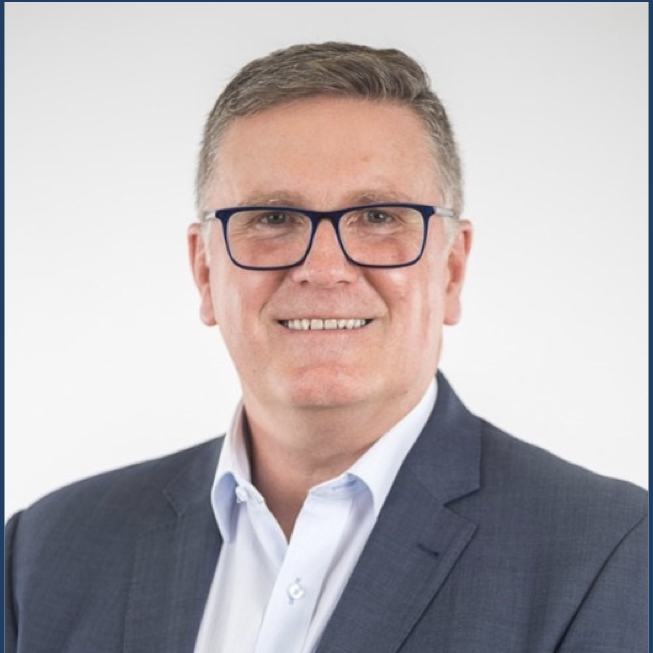
Behind the scenes ISPE’s 2025 Facility of the Year.
Andrew Hodder, the Manufacturing and Site Head for CSL Behring Broadmeadows, located in Victoria, will take you behind the scenes of CSL’s new $800m Base Fractionation Facility, which incorporates cutting-edge technologies with a pioneering hybrid manufacturing platform. The facility subsequently went on to win the International Society of Pharmaceutical Engineering (ISPE) award for Facility of the Year for 2025.
The Facility is purpose-built to optimise the production of plasma-derived therapies for conditions such as immunodeficiencies, neurological disorders, and burns, and is the biggest of its kind on the world, capable of processing over 10 million litres annually. The facility also won the ISPE Pharma 4.0 Award in 2025 for its advanced use of digital technologies and automation to transform pharmaceutical manufacturing.
In reflecting on the facility, Andrew will also reflect on CSL’s continued investment in Australian Biotech Manufacturing, including the recent opening of a dedicated Influenza Manufacturing Facility alongside CSL’s unique CBD-based R&D laboratories.
Biography:
Andrew Hodder was appointed VP Manufacturing & Site Head at Broadmeadows in July 2021, having previously worked as the Project Director for Project Aurora, the project that built the base fractionation facility.
Andrew is an accomplished operations leader, with over 30 years of biopharmaceutical experience in roles across production management, supply chain, operational excellence, strategic planning, capital program management, colleague and culture development, validation and business development. Andrew earned his Bachelor of Science (Hons) degree from the University of Melbourne.
Prof. Sally Gras FTSE
Redmond Barry Distinguished Prof.,
University of Melbourne

Optimising Biomanufacturing with AI: From Model Development to Industrial Adoption.
Advances in machine learning and its application to bioprocessing, together with strengthened industry–research partnerships, have transitioned AI from a prospective concept to tools and implementations within process‑development pipelines. In this talk I present three years of progress from the ARC Digital Bioprocess Development Hub and describe AI‑driven tools being developed across the Australian bioprocessing sector to accelerate scale‑up, enhance product quality, optimise yield, reduce wet‑lab experiments, de‑risk and streamline processes and build workforce capability. International advances and industrial deployments will be presented as benchmarks and collaborative opportunities for broader adoption across the Australian bioprocessing sector discussed.
Biography:
Professor Sally Gras is a Redmond Barry Distinguished Professor of Chemical Engineering at the University of Melbourne and a fellow of Australian Academy of Technology and Engineering. She is Director of the ARC Digital Bioprocess Development Hub, Deputy Director of the ARC Centre of Excellence in Plants for Space, Associate Director of the Bio21 Molecular Science and Biotechnology Institute and leads the AgriFood and Biopharma research theme in the Faculty of Engineering and Information Technology.
Named among Cosmos Magazine’s 50 Women at the Cutting Edge of Science in Australia in 2023, she has attained considerable national and international recognition across academia, the engineering profession and wider industry through her research spanning nano-to-large-scale bioengineering, digital bioprocess innovation and food manufacturing processes.
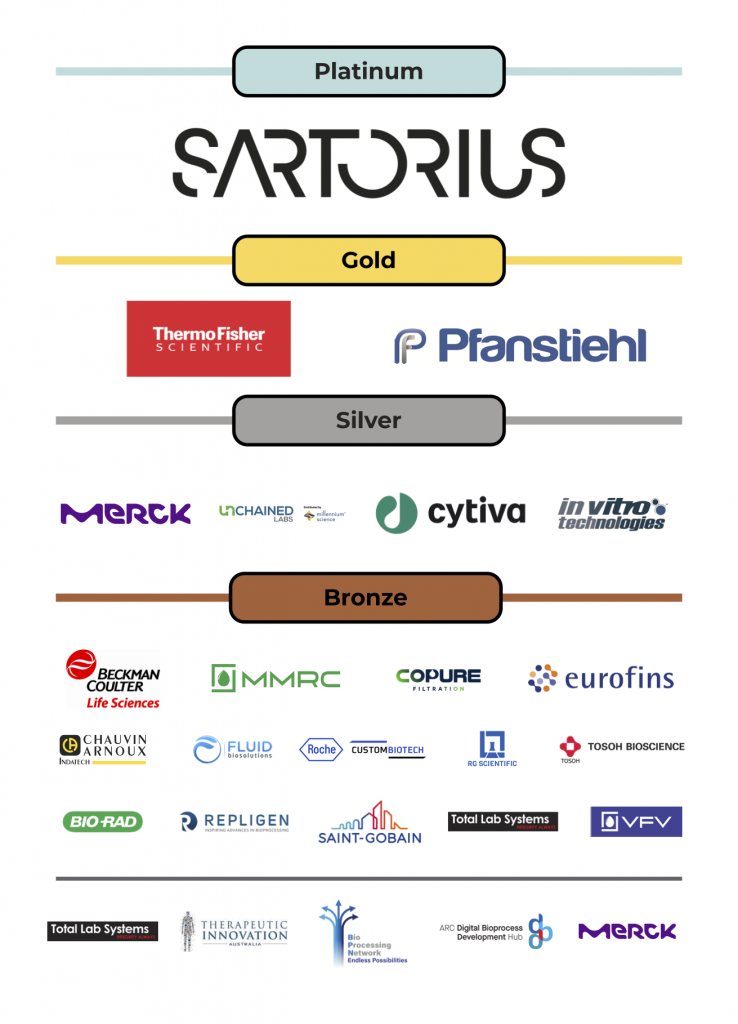
Thank You to Our Sponsors
The BioProcessing Network Conference 2026 would not be possible without the generous support of our sponsors and industry partners.
We sincerely thank all of the organisations supporting this year’s conference. Your contribution enables us to bring together researchers, industry professionals, students and emerging leaders from across the bioprocessing community to share knowledge, build new connections and strengthen collaboration across the sector.
Supporting the Next Generation
A particularly important part of the BioProcessing Network Conference 2026 is creating opportunities for students and early-career researchers to participate in the conference, connect with the wider bioprocessing community and develop their professional networks.
We are delighted to recognise the students and early-career researchers supported to attend BPN2026:
Sophie Oerlemans — Adelaide University
Chandranil Gharekhan — Adelaide University
Navid Akhavan Attar — University of Melbourne
Annika Johansson — UNSW
Johnny Peng — University of Technology Sydney
Eduardo Gorron Gomez — The University of Queensland.
Their participation has been made possible through the generous support of our Platinum, Gold and Silver sponsors: Sartorius; Pfanstiehl; Thermo Fisher Scientific; Merck Life Science; In Vitro Technologies; Millennium Science / Unchained Labs; and Cytiva.
We sincerely thank these organisations for investing in the next generation of researchers and bioprocessing professionals.
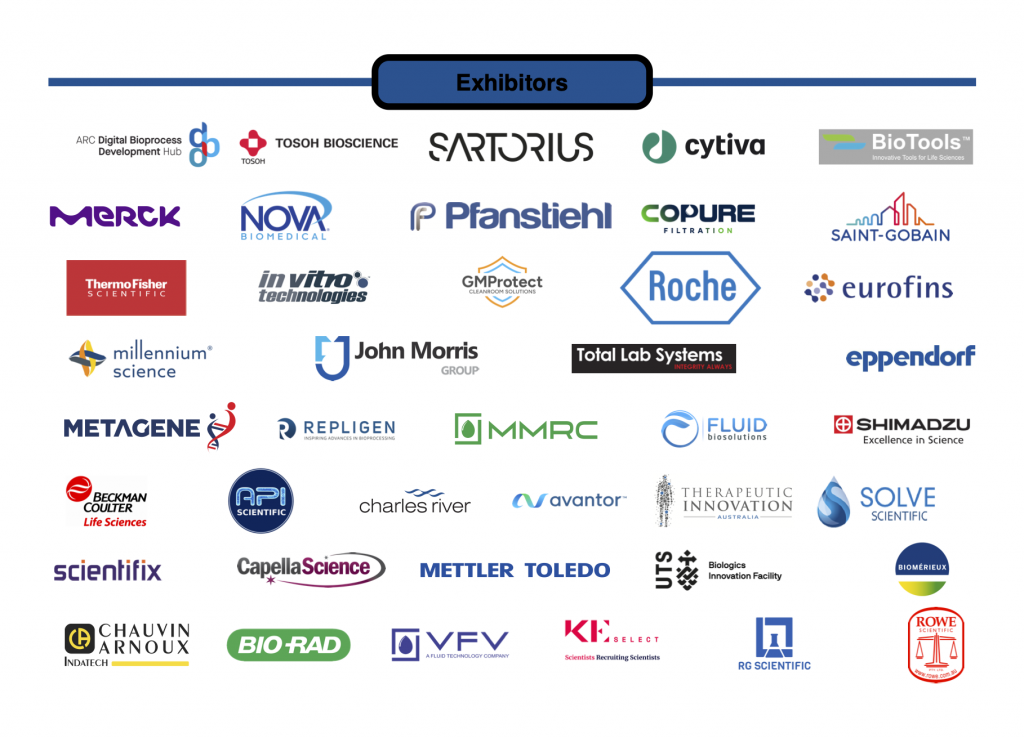
Discover New Opportunities
The BioProcessing Network Conference 2026 brings together the people, organisations and technologies shaping the future of bioprocessing across Australia and New Zealand.
Throughout the conference, our exhibiting partners will showcase technologies, services and capabilities supporting bioprocess development and manufacturing. The exhibition provides an opportunity to meet industry specialists, discuss technical challenges, explore new technologies, build collaborations and connect directly with organisations working across the sector.
For students and early-career researchers, BPN creates valuable opportunities to meet potential employers, build professional networks and learn more about careers in bioprocessing. For researchers and industry professionals, it provides a space to identify new technologies, expertise and potential partners while developing connections that can lead to future collaborations and opportunities.
Conference organising committee